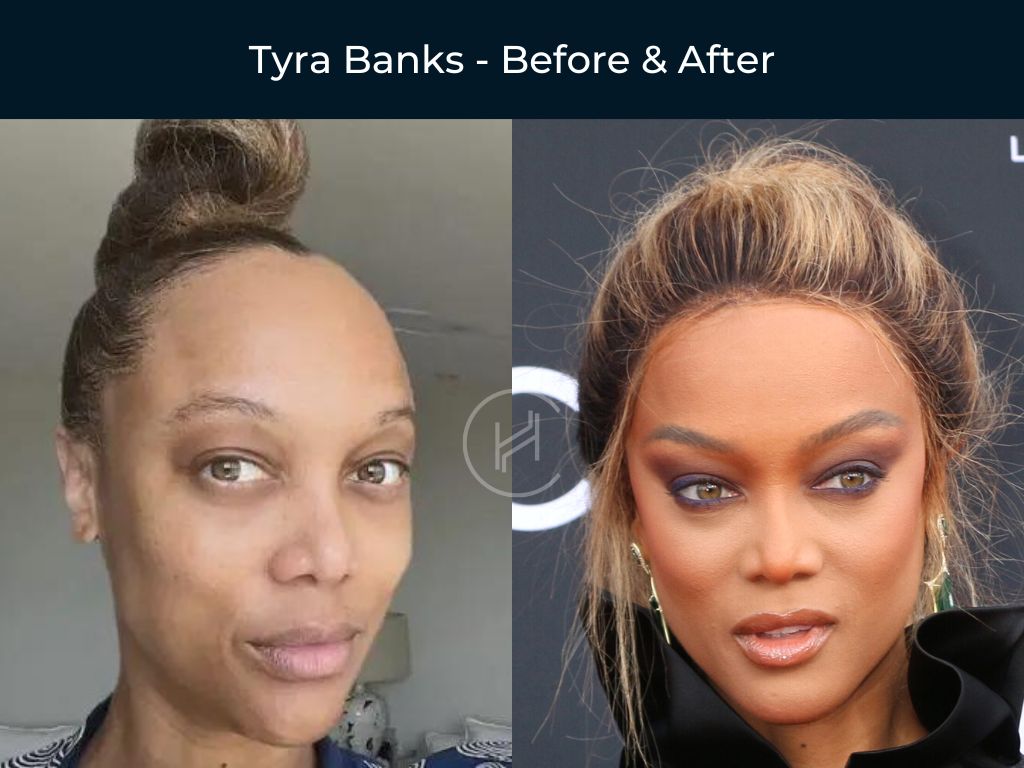
In the sparkling world of entertainment, in which outer attractiveness is often viewed as the paramount currency, scalp thinning might pose a significant vocational challenge. A multitude of performers encountering this typical biological process turn to advanced surgical remediation methods to sustain their youthful allure. Whereas the subject was previously wrapped in silence, modern innovations possess brought these interventions to the public eye. Through investigating the nuanced aspects of how these celebrity-grade transplants become performed, we acquire insightful knowledge into the art of lasting scalp revitalization. The following thorough dive casts illumination on the methodologies which permit celebrities to regain their iconic manes utilizing astonishingly organic results.
At the core of current follicle reconstruction sits the evolution from outdated strip harvesting toward very precise lightly penetrating techniques. These primary foundations employed by top-tier doctors consist of Hair Group Extraction (FUE) and its evolutionary offshoot termed as Direct Hair Implantation (DHI). Rather than extracting a large strip of skin—which frequently resulted in a noticeable long mark—such advanced methods center on harvesting separate hair units exclusively from the back zone. This precise process ensures virtually scar-free healing, offering performers the ability to style shorter styles bypassing the dread of obvious proof of medical interference. By utilizing tiny instruments measuring often less than a millimeter in width, doctors can retrieve multitudes of grafts in superior precision.
A vital step that distinguishes luxury follicular transplant successes remains the design mapping of the hairline pattern. When dealing with celebrities, a simple restoration proves inadequate; it necessitates a thorough understanding of aesthetic geometry. Surgeons regularly use advanced guidance to recreate designs that mirror the native development witnessed in younger stages. Unlike older methods that resulted in a unnatural appearance, innovative restorations prioritize irregular placement of singular hair units at the extreme forward border. Such a intentional absence of perfect order is actually what creates the perception of native scalp density. When celebrity hair transplants grow, they blend perfectly with the celebrity's original follicles, ensuring it nearly hard for maybe trained critics to identify any external modification.

Outside of the technical extraction stage, the later placement methods further improve the final cosmetic result. Specifically, the Direct Hair Placement (DHI) approach allows doctors to manage the direction, penetration, and concentration of every follicle unit with high precision. By using a patented tool called a precision needle, the surgeon can instantly form the target site and implant the graft. This rapid method significantly reduces the time each follicle spends removed from the blood supply, a factor that is crucial for optimizing follicle success percentages. For celebrities whose calendars are tight, this speed of DHI is a major benefit, enabling for faster turnaround time relative to traditional restoration methods.
Moreover, the incorporation of PRP therapy acts as a powerful booster to the top-shelf surgery experiences. By extracting the patient's own growth elements from their plasma, practitioners are able to infuse these elements exclusively into the donor as well as healing zones. This biologically advanced tactic not only speeds the post-operative regeneration stage but additionally reinforces the freshly placed follicles, securing peak thickness and lasting strength. Many performers opt for this combined therapy to further guarantee that their transplant outcomes stay notably strong as their public images. It represents the perfect marriage of artistic surgical design and scientific technology.
When summing up reflection, the world of premium scalp transplant possesses transformed drastically, transitioning well past the outdated methods of the. Via the precise application of FUE technology, cutting-edge placement techniques such as DHI, and strategic integration of regenerative therapies, performers might achieve results that appear virtually the same from native locks. These innovations offer no just aesthetic rejuvenation but also provide a emotional boost, permitting famous personalities to radiate self-belief upon the red screen. As science persists to advance, we anticipate only foresee even more levels of refinement, rendering scalp surgery an even more attainable and subtle path for anyone seeking to regain their telegenic appearance. Ultimately, this discipline is a testament to technological creativity focused on our desire for self-improvement.